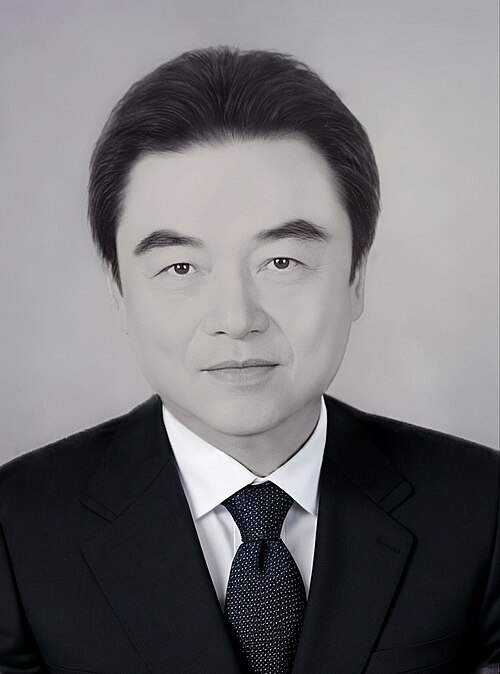
Beyond Krit Ratanarak: Exploring Thailand's Wealthy Elite
The allure of immense wealth often sparks curiosity, leading many to search for precise figures attributed to prominent individuals. In Thailand, a nation renowned for its vibrant economy and powerful family conglomerates, figures like Krit Ratanarak frequently become subjects of such fascination. The quest to uncover the definitive "krit ratanarak net worth" is a common one, yet as many discover, pinpointing an exact number can be exceptionally challenging. This article delves into why such figures remain elusive for some, while simultaneously casting a wider net to explore the broader landscape of Thailand's truly wealthy elite, examining the sources of their fortunes and their enduring influence on the nation's economic fabric.
The Elusive Nature of Private Fortunes: The Krit Ratanarak Conundrum
When searching for the net worth of powerful figures like Krit Ratanarak, individuals often encounter a perplexing scarcity of concrete, verifiable data. Unlike publicly traded companies where financial statements offer transparency, the wealth of private individuals, especially those leading vast, often family-controlled empires, is notoriously difficult to quantify. Krit Ratanarak, known for his significant stake in Bangkok Broadcasting & Television (BBTV), owner of Channel 7, and his association with other substantial family holdings, represents a prime example of this phenomenon.
Several factors contribute to this elusive nature. Firstly, privacy is a highly valued aspect for many ultra-high-net-worth individuals, particularly in Asia. Family wealth is often intricately distributed across various trusts, holding companies, and investments that are not publicly disclosed. Secondly, the sheer diversification of assets, spanning multiple industries from media and real estate to energy and finance, makes a comprehensive valuation a monumental task. These assets may include privately held companies, luxury properties, art collections, and diverse investment portfolios that rarely see the light of day in public reports.
Furthermore, traditional estimates often rely on publicly available information, which might only capture a fraction of an individual's total economic power. The true depth of influence and the full extent of assets within family groups, particularly those passed down through generations, are complex tapestries woven over decades. This ongoing quest for concrete figures often leads to articles like
Krit Ratanarak Net Worth: Why Details Are Scarce Online and
Searching Krit Ratanarak Net Worth? What Top Sources Say, which further illustrate the challenge of acquiring definitive information. Understanding this complexity is the first step in appreciating the true nature of wealth among Thailand's elite.
Pillars of Power: Thailand's Established Dynasties
While the specific "krit ratanarak net worth" may remain a subject of conjecture, the broader landscape of Thailand's wealthiest individuals and families is well-documented, revealing powerful dynasties that have shaped the nation's economy for generations. These figures command immense influence, often through vast conglomerates that touch nearly every aspect of daily life for ordinary Thais.
Among the most prominent are families like the Chearavanonts, who control the Charoen Pokphand (CP) Group. This behemoth is one of the world's largest agribusiness conglomerates, but its reach extends far beyond agriculture, encompassing retail (7-Eleven, Makro), telecommunications (True Corporation), finance, and real estate. The visionary leadership of figures like Dhanin Chearavanont has propelled the group to international prominence, making it a cornerstone of the Thai economy. Their diversified portfolio exemplifies the strategic expansion that underpins enduring wealth.
Another titan is Charoen Sirivadhanabhakdi, the founder of Thai Beverage and the TCC Group. His empire spans alcoholic and non-alcoholic beverages, but also includes a massive portfolio in real estate (e.g., Asset World Corporation), insurance, hospitality, and industrial ventures. Sirivadhanabhakdi's aggressive acquisition strategies and astute business acumen have created a sprawling conglomerate that continues to expand both domestically and internationally. These families illustrate that Thai wealth is often concentrated in multifaceted enterprises, built through decades of strategic investment, astute leadership, and often, a keen understanding of both local and global markets. Their success stories underscore the power of diversification and intergenerational business planning.
Decoding Thailand's Economic Engine: Where Wealth is Forged
To truly understand Thailand's wealthy elite, one must look beyond individual names and delve into the fundamental sectors that have served as engines for wealth creation. The nation's economic landscape, characterized by robust growth and strategic geographical positioning, has fostered environments ripe for the accumulation of significant capital.
- Agribusiness and Food Production: Despite modernization, agriculture remains a foundational pillar. Companies that mastered large-scale, efficient food production and processing, like the CP Group, have not only fed the nation but also become global players, exporting extensively.
- Retail and Consumer Goods: With a growing middle class and increasing urbanization, the retail sector has boomed. Supermarkets, convenience stores, department stores, and e-commerce platforms have provided fertile ground for wealth accumulation. The control over distribution networks and consumer brands is a powerful asset.
- Real Estate and Hospitality: Thailand's perennial appeal as a tourist destination, coupled with rapid urban development, has made real estate a goldmine. Developers of residential, commercial, and industrial properties, along with owners of hotels and resorts, have seen exponential growth in their asset values.
- Banking and Finance: A robust financial sector is crucial for economic expansion. Major banks and financial institutions, often controlled by influential families, play a pivotal role in funding development, facilitating trade, and managing capital, thereby securing their own substantial profits and influence.
- Energy and Infrastructure: Control or significant stakes in energy production, utilities, and critical infrastructure projects provides both stable income streams and immense strategic power. These sectors are often capital-intensive and require strong political connections, making them exclusive domains for the established elite.
The wealthiest individuals and families in Thailand typically have significant holdings, if not outright control, in several of these key sectors. This diversification not only spreads risk but also creates synergistic opportunities, allowing one part of an empire to support or feed another, thereby solidifying their economic dominance.
The Strategic Importance of Family Business and Influence
A defining characteristic of Thailand's business landscape is the prevalence and power of family-owned conglomerates. Unlike Western economies that often see businesses transitioning to public ownership or being managed by professional, non-family executives, many of Thailand's largest enterprises remain firmly within the grip of their founding families, often across multiple generations.
This model of family business confers several strategic advantages:
- Long-Term Vision: Family businesses can often afford to take a longer-term view on investments and strategy, free from the quarterly pressures of public markets. This allows for patient capital deployment and strategic acquisitions that may take years to yield full returns.
- Strong Leadership Continuity: The transfer of business acumen and leadership from one generation to the next ensures a continuity of vision and values, although it also presents challenges in succession planning.
- Integrated Ecosystems: These conglomerates often operate as self-contained ecosystems, with their own banks, logistics, real estate, and consumer brands. This vertical and horizontal integration creates formidable competitive moats.
- Influence and Networks: The longevity and scale of these family businesses naturally lead to extensive networks and significant influence within political and social spheres. This allows them to navigate regulatory landscapes, secure critical concessions, and contribute to policy-making in ways that benefit their broader economic interests.
Understanding the intricate web of family control is key to comprehending the dynamics of wealth and power in Thailand. Practical insights show that these families often invest heavily in education for their heirs, sending them to top universities abroad to acquire global business perspectives, which they then integrate with traditional Thai business values. This blend of tradition and modernity is a powerful driver of their continued success and resilience. The philanthropic efforts of these families are also noteworthy, often channeling wealth back into society through education, healthcare, and cultural preservation, further cementing their status and influence.
Conclusion
The quest to define the precise "krit ratanarak net worth" ultimately highlights a broader truth about extreme private wealth: its exact quantification is often obscured by design, diversification, and privacy. While individual figures may remain elusive, the overarching narrative of Thailand's wealthy elite is one of incredible dynamism, strategic foresight, and profound influence. From the multi-generational empires built on agribusiness and retail to the shrewd investments in real estate and finance, the architects of Thailand's wealth have shaped an economy that is both robust and deeply interconnected. Exploring beyond singular net worth figures reveals a complex, fascinating ecosystem of family conglomerates that continue to drive the nation's progress and exemplify the enduring power of concentrated capital.